Forgejo
Forgejo is a self-hosted Git forge. This shows repositories, open issues and pull requests, and notifications.
Set it up
Section titled “Set it up”Sign-in: An API key, sent as a bearer token.
integrations:  forgejo:    type: forgejo    url: http://forgejo:8080    key: ${FORGEJO_KEY}
layout: - title: Apps widgets: - forgejo.status| Option | Type | Default | What it does |
|---|---|---|---|
url | URL | required | Where the service answers, from Valet’s side. |
href | string | optional | Where the card links to, when that differs from url. |
every | string or number | optional | How often to refresh while someone is looking: seconds, or 30s, 5m, 1h. |
insecure | boolean | optional | Accept a self-signed certificate for this service only. |
key | string | required | Its API key or token. Use ${VAR}, so it stays out of the file. |
Widgets
Section titled “Widgets”One widget. Its key is forgejo.status, using the instance name from your config.
Forgejo
Section titled “Forgejo”forgejo.status · stats card · refreshes every minute while the page is open.
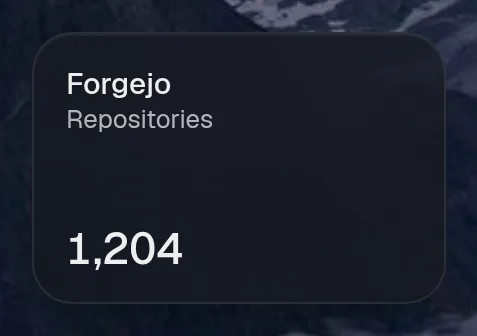

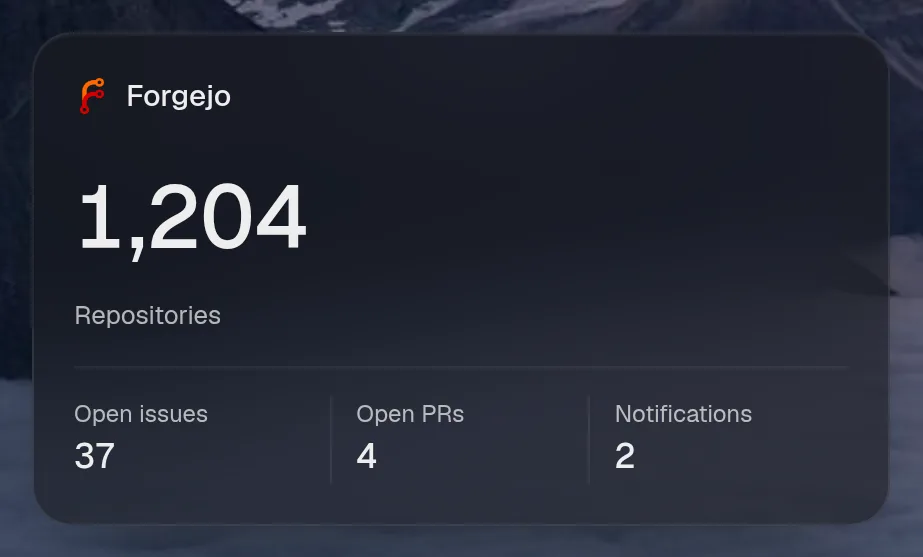
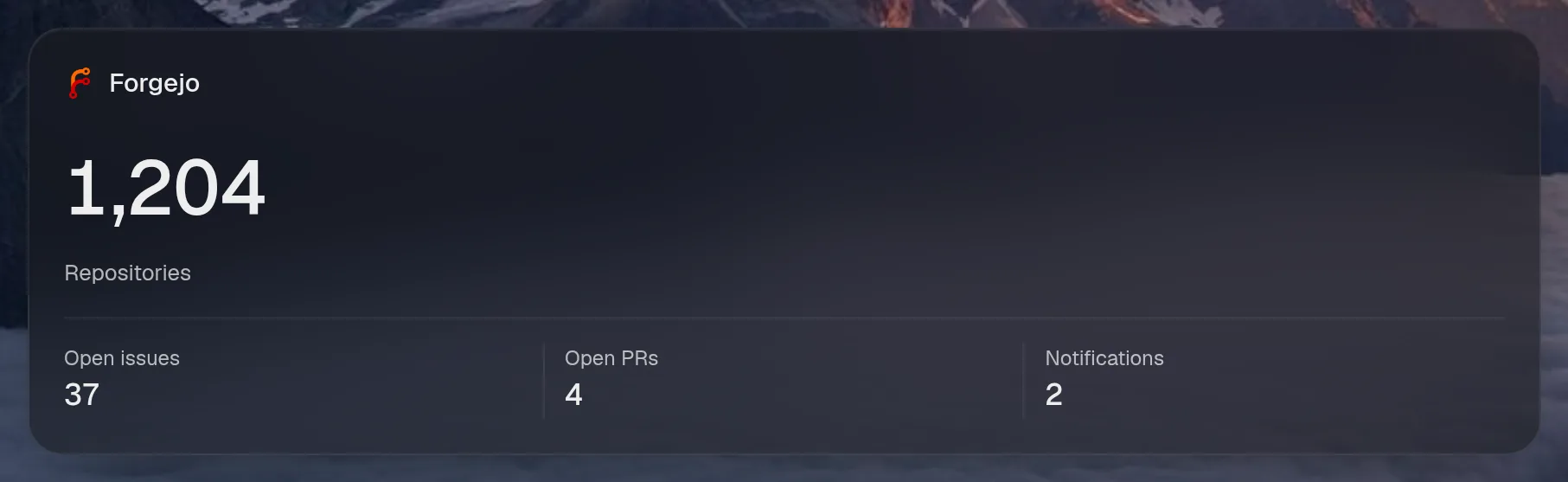
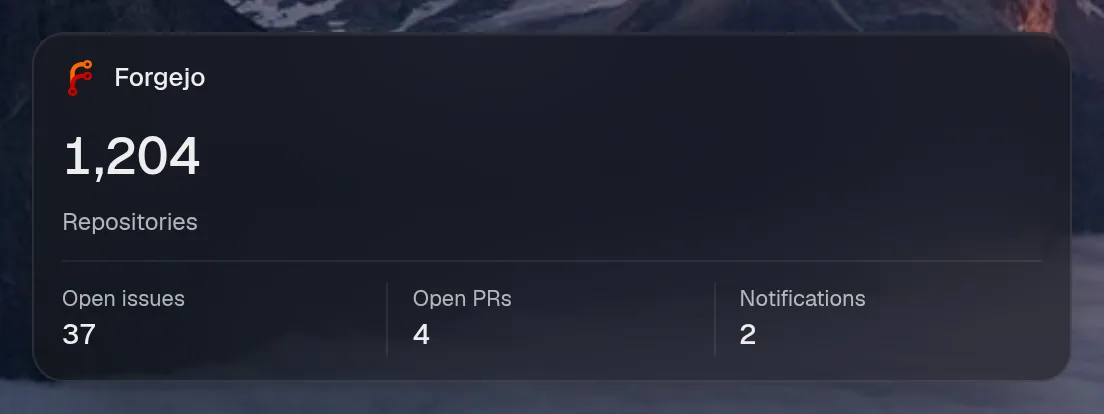
Tall draws the same as medium, so it isn't shown. Only the empty space changes.
States
Section titled “States”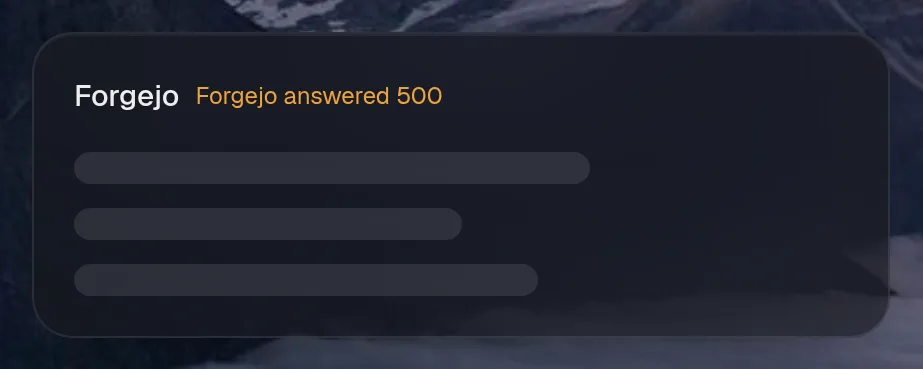
Assistant tools
Section titled “Assistant tools”What the assistant can use, once its access level allows it. Read tools run freely. Everything else asks first.
| Tool | Access | What it does |
|---|---|---|
forgejo_status | read | What Forgejo reports right now: Repositories, Open issues, Open PRs, Notifications. |
Year in review
Section titled “Year in review”Slides this integration adds to the recap.